
In the autumn of 1926, groups of masked vigilantes conducted a campaign of terror in Lawrence County. They dragged nine men out of their beds, blindfolded them, beat them in front of their homes, and then left with a bone-chilling warning: “The next time we come, we’ll put a rope around your neck.”
The victims said that their assailants identified themselves as members of the Ku Klux Klan.
Before it was over, five men would be arrested, a local newspaper would take a public stand against the hate group, and the Grand Dragon of Tennessee would pay a visit to Lawrenceburg.
The original Ku Klux Klan was formed in neighboring Pulaski, Tennessee in 1865 by Confederate veterans–including John B. Kennedy, who is buried in Lawrenceburg’s Mimosa Cemetery. That original group was a vigilante terrorist organization which used violence and intimidation to discourage newly-freed African Americans from exercising the freedoms granted to them by the postwar Constitutional Amendments. They wore outlandish costumes, often rode by night, and played on the superstitions of the formerly enslaved. That first iteration of the Klan dissolved after conservatives regained control of the state governments of the former Confederacy and implemented Jim Crow laws intended to make black people second-class citizens in the South. When its goals became law, the Klan was no longer needed.
The Klan was re-established in the 1910s. While the second Klan oftentimes resorted to the old vigilante tactics of intimidation and violence employed by the first Klan, the 20th-century Klan had more of the hallmarks of a racist social club than its predecessor. Much like modern clubs, the Klan of the early 20th century in Lawrence County had a ladies’ auxiliary and a post office box. It sponsored public lectures in school gymnasiums and organized public cross-burnings which ended with fireworks demonstrations. They wore matching robes and pulled off elaborate displays of giving money to local churches in order to make prospective members think that they were an upright and civically-conscious organization. They supported causes such as Prohibition, racial segregation, and restrictive immigration policies. There is also evidence that some of the city’s most prominent and powerful leaders were members of the organization.
It was a social club that dealt in intimidation and narrow-mindedness, but there is little evidence that the Lawrenceburg klavern did much else than hold parades, dress up in their matching robes for funerals, and regurgitate familiar racist talking points.
That is, until October 11, 1926.
According to G.M. Harmon, at around 11 pm on the night of October 11, a group of men wearing ladies’ stockings over their faces forced their way into his house on Fall River Road at gunpoint and demanded that he get dressed.
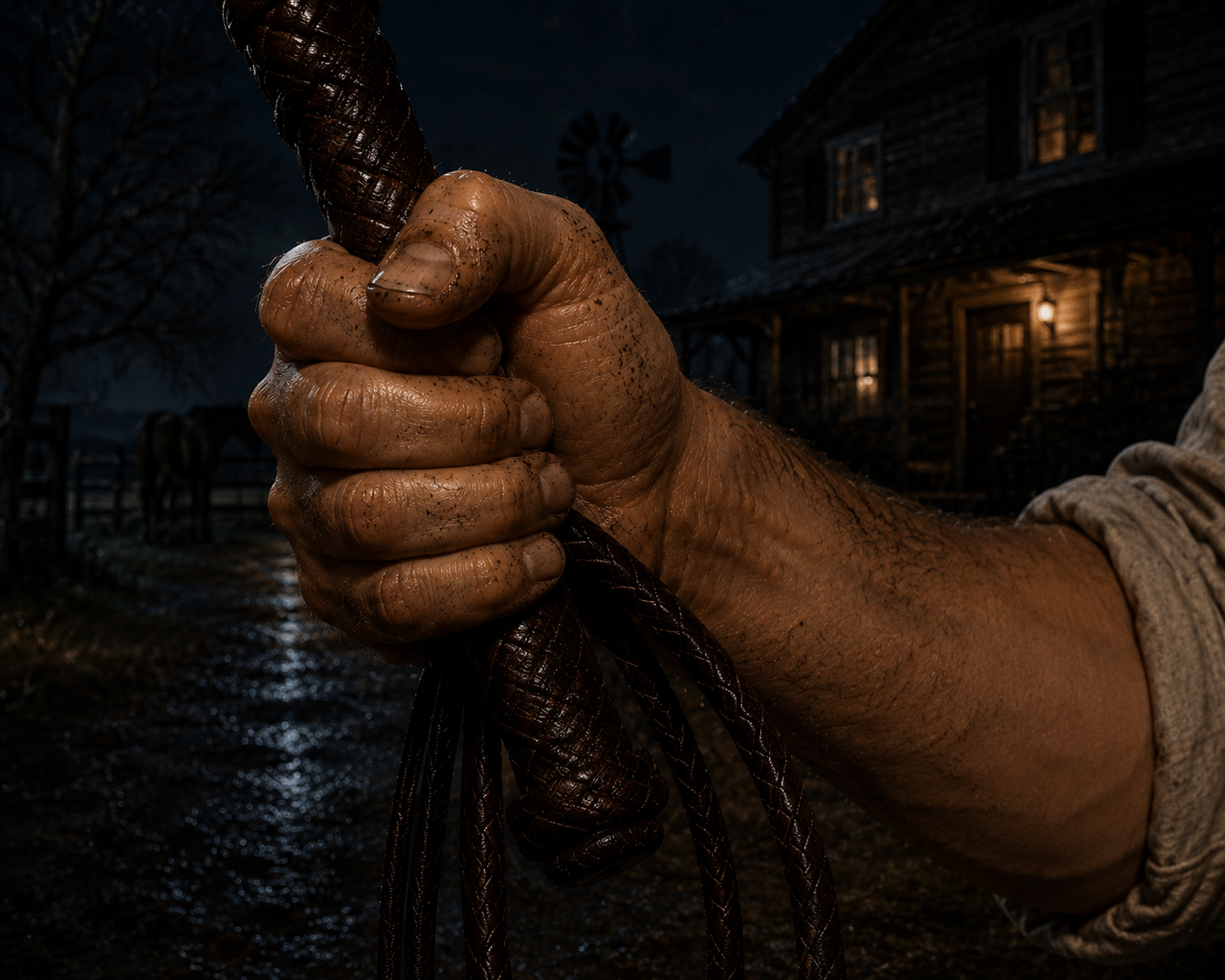
As Harmon pulled his pants on, the men told him that they were Klansmen from Giles County sent there by leaders of the Lawrenceburg klavern to teach him a lesson. They pulled his two sons out of their beds, blindfolded Harmon and the two boys, and drug them into the yard, where Harmon was beaten three times with a whip across the small of his back.
After the beating, one of the men said to Harmon, “Now I guess you won’t talk about the Ku Klux anymore. The next time we come, we’ll put a rope around your neck.”
Meanwhile, inside the house, Mrs. Harmon and their daughter were terrified. Forced to remain in her bed and warned not to light a lamp, Mrs. Harmon was almost hysterical. “I was crying and badly frightened,” she told the ‘Democrat-Union,’ when one of the masked men said, “If you hear a shot, you will know it went through somebody’s brain.” One of the men told Harmon’s frightened daughter, “We are going to show some of these wicked daddies how to do, little girl.”
Harmon told the ‘Democrat-Union’ that he “knew of no reason that he should be the subject of such an attack.”
Across the county, the scene repeated itself eight more times. Tom Guthrie of Summertown and two of his sons reported being flogged that night by a group of about 65 men.
On October 19, the ‘Democrat-Union’ published an op-ed entitled ‘The Time to Unmask.’ The article challenged the Lawrenceburg Klan to have the courage to and to publish its membership rolls. While acknowledging that the paper would treat members of the organization with as much fairness as possible in their paper, the D-U wrote, “As is well known, the Democrat-Union is no sympathizer with the ideas of the Klan. It does not believe that a man’s Americanism is measured by the accident of his birth or the church to which he may belong. To us, such a doctrine contradicts every right conception of real American ideals.”
Monte Ross, the Grand Dragon of the Tennessee Klan came to Lawrenceburg on October 23 on the auspices of investigating the floggings. While there, Ross paid a visit to the offices of the ‘Democrat-Union,’ and claimed that the Klan had no part in Lawrence County’s “outbreak of gang rule.” Ross told the ‘Democrat’ that the “keeper of the robes” of the Lawrenceburg klavern reported to him that “none of the regalia was out of the boxes in which they were locked the nights of the raids.”
Ross’s assertion did not address the fact that the victims noted that their assailants were not wearing Klan robes, nor did he address the fact that the assailants claimed to be from the Pulaski klavern. The Lawrence County beatings were far from an isolated incident; just months later, five members of the Pulaski klavern were put on trial for the flogging of a black man in Giles County in January 1927. A similar public flogging occurred in Florence, Alabama in July 1927 with initial suspicion placed on Klan members there.


 Lawrence County History Trivia
Pingback: Bringing Local History to the Classroom | Lawrence County History Trivia