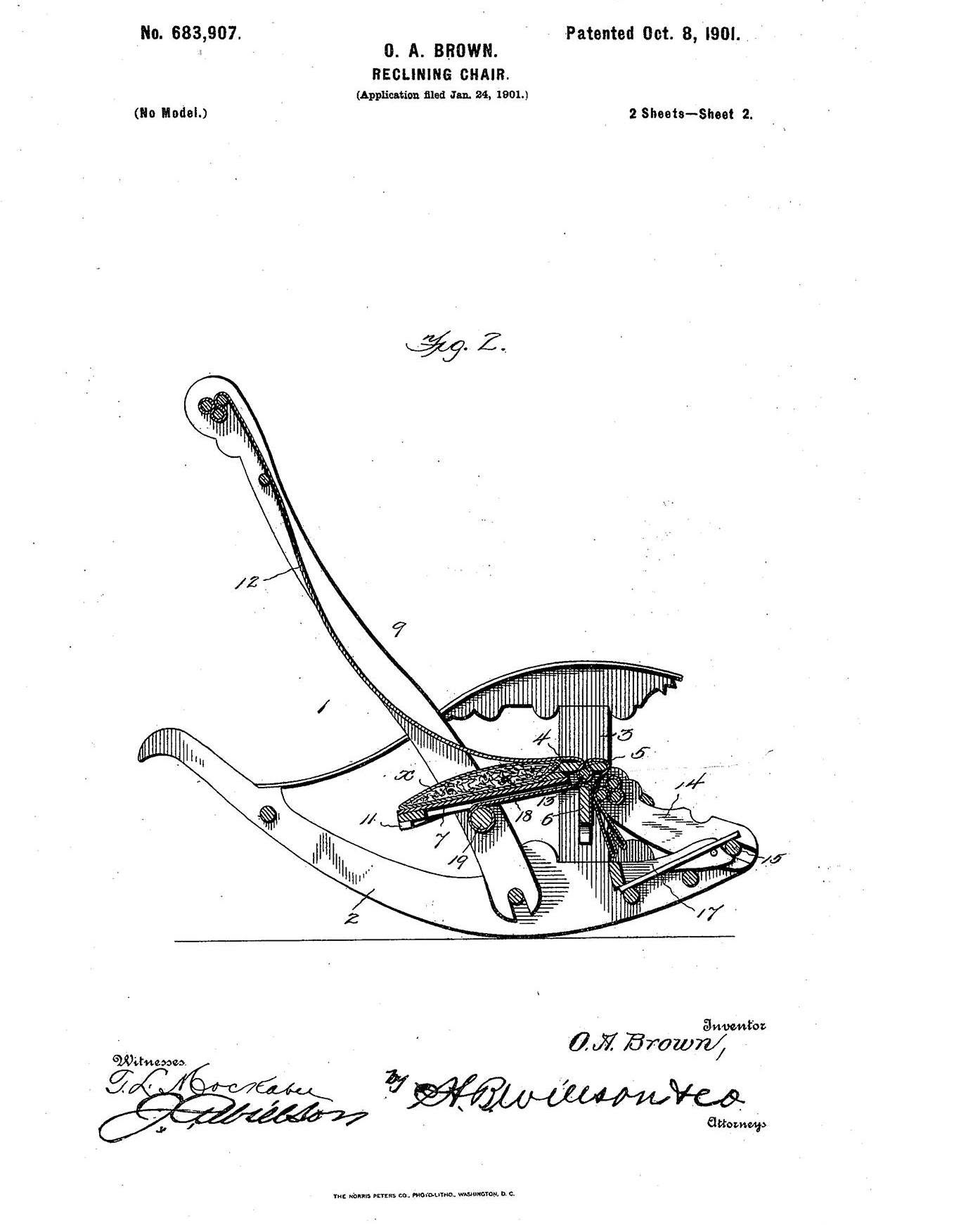
Do you like recliners? Do you have a cattle guard to keep your cattle from getting out and ensuring that you don’t have to open a gate every time you come home? You have Lawrence County inventors to thank for improvements to those devices.
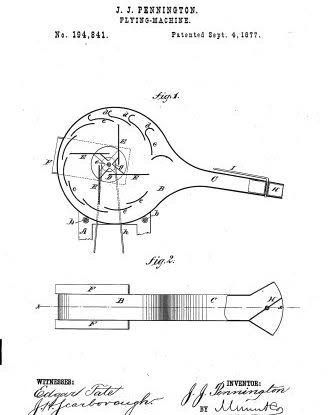
Most local folks know about James J. Pennington and his 1877 patented “improvements in flying machines.” In addition to Pennington, Lawrence County has been home to several other inventors throughout the years.
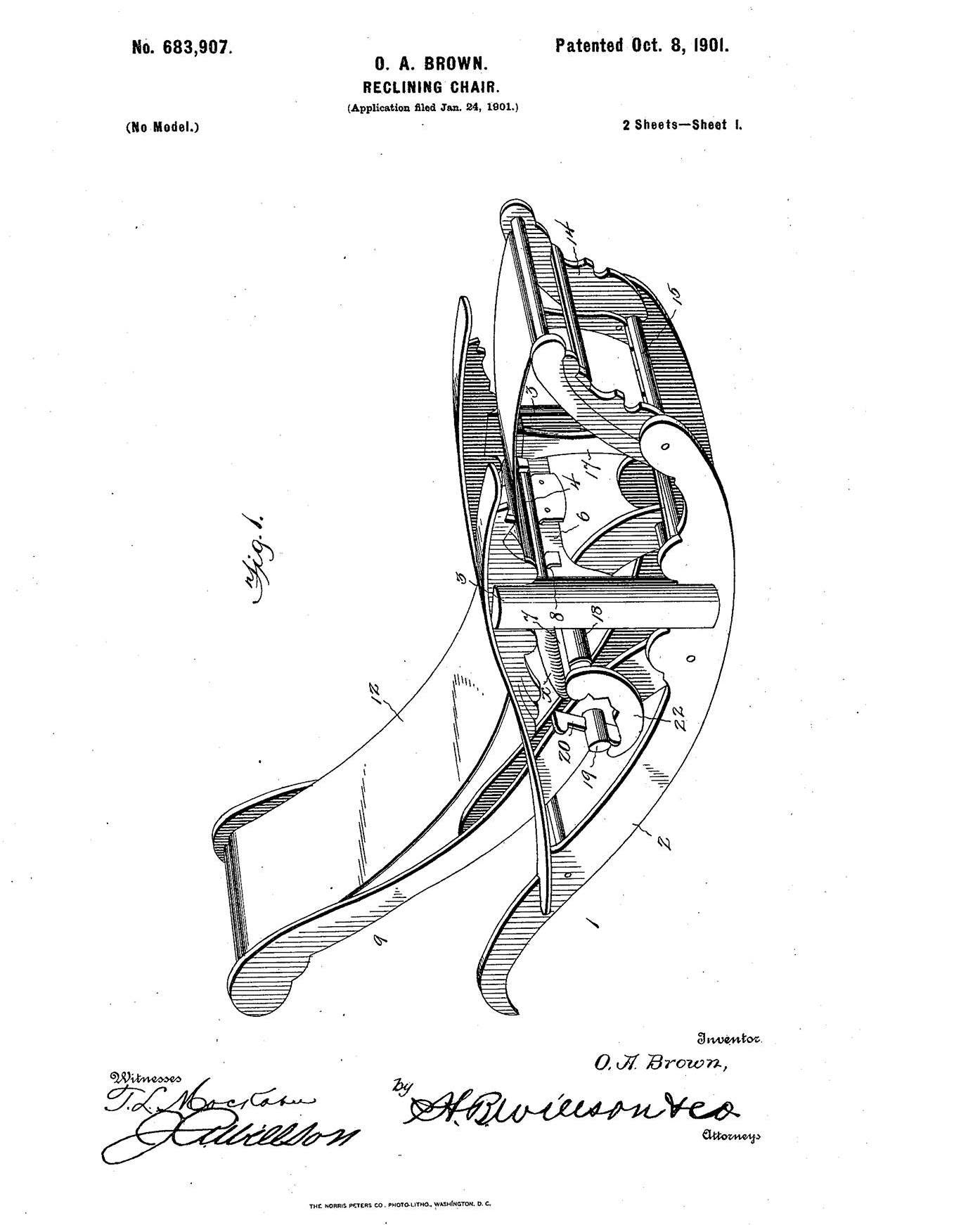
On October 8, 1901, Ole A. Brown of Lawrenceburg was granted a patent for his “Reclining-Chair,” 27 years before the founders of “La-Z-Boy” patented their design. Although Brown didn’t invent the concept of the recliner, his method of construction of recliners was unique enough to be patented. Brown’s patent says that his reclining-chair “may be easily and quickly converted from an upright to an inclined position and which shall be simple of construction, durable in use, and comparatively inexpensive of production.”
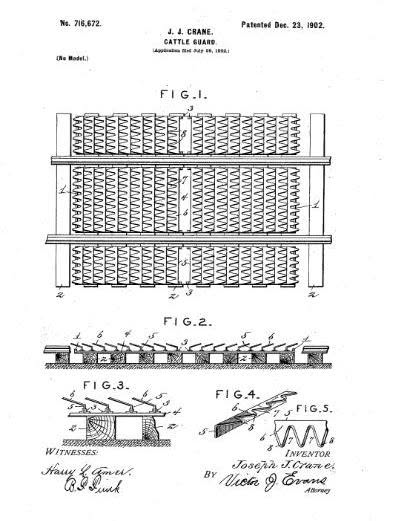
On December 23, 1902, J. J. Crane of Summertown was granted a patent for improvements in cattle guards, specifically “adapted for use on railroads to prevent livestock-such as cattle, hogs, sheep, etc.–from passing from one enclosure into another, where partition-fences are intersected by said road.”
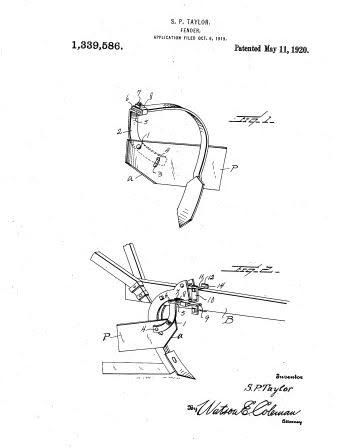
Silas P. Taylor of Loretto was granted a patent for his “Improvements in Fenders” on May 11, 1920. A fender is an iron guard on a plow whose purpose is to keep excessive dirt from covering small plants. Taylor’s patent specifies that his particular fender improvement was “especially designed and adapted for use in connection with plows or kindred earth working members.” Taylor was granted a total of five patents for similar improvements in agricultural implements between 1919 and 1922!
On February 14, 1922, Harry F. Carden of Lawrenceburg was granted a patent for his brand of cattle guard. Carden’s patent specifies that his cattle guard will “so locate and construct the rollers that a surface will be presented which will be exceedingly offensive to cattle and prevent the cattle from traversing the guard.” His invention also promised to “improve generally and to enhance the utility of devices of that type.”