
An ancient Native American rendezvous spot, a beautiful waterfall, and a thriving village now vanished?
Marcella Falls is a picturesque community about 13 miles northeast of Lawrenceburg, near the Giles County line. Factory Creek drops about 20 feet from a bluff at the confluence of three hills, forming a beautiful waterfall in the woods on private property.
In 1957, ‘The Annals of the Lawrence County Historical Society’ recorded a local story that Native Americans once held council meetings beneath “one of the huge oak trees still standing near one of the large springs” at Marcella Falls, and that they made pottery from the clay in a nearby field.
The place got its name from a teacher. According to an article written by Mary Ann Truitt Clayton, Marcella Paine was the educated daughter of a Maury County attorney who came to the mineral springs near the falls in an attempt to recover her poor health in the 1850s. While there, she worked as the tutor and governess of the children of A.O. Williams.
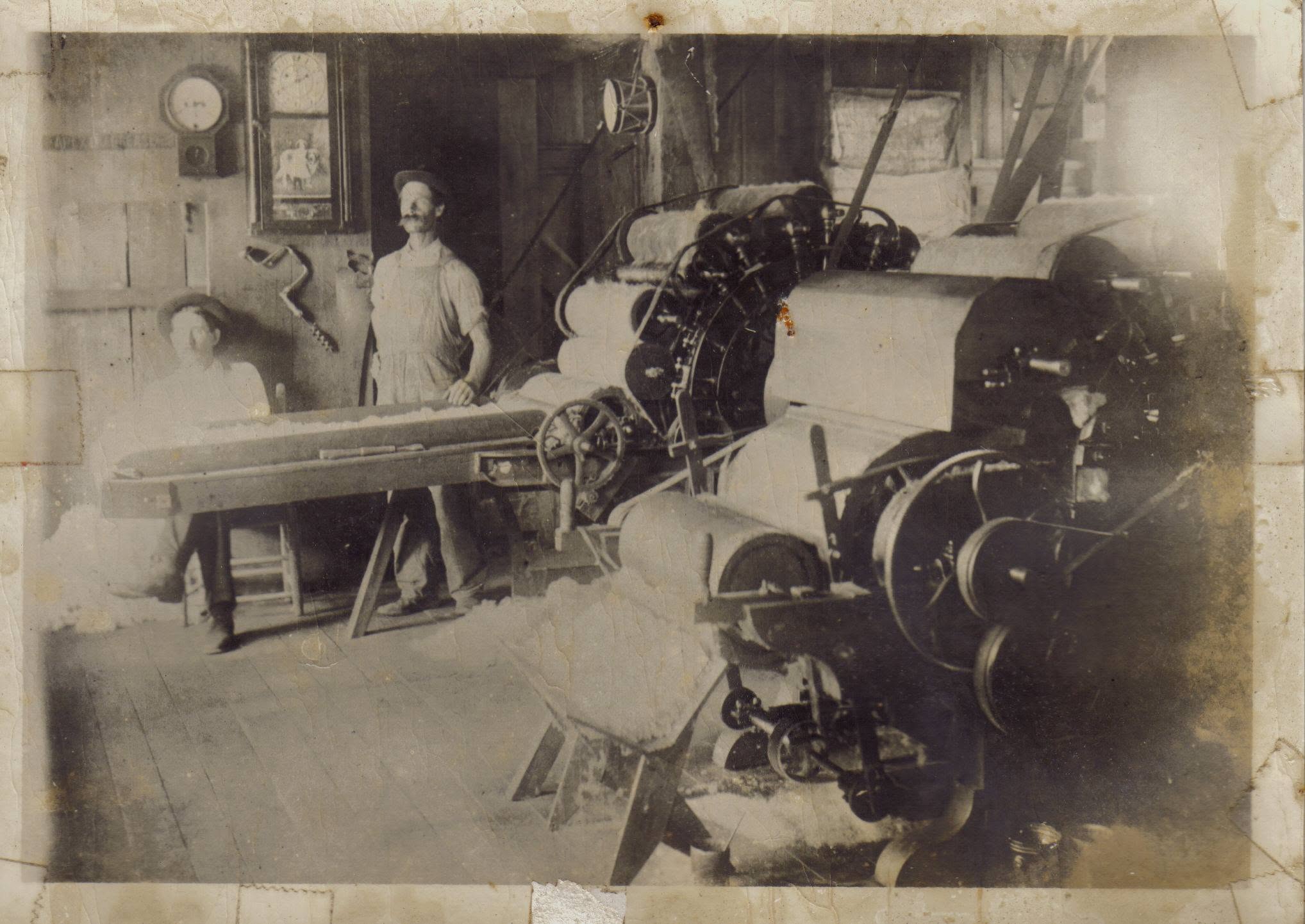
Williams saw the industrial potential of the falls when he came to Lawrence County in 1852. He and his brother harnessed the power of the falling water to operate a woolen mill, a tan yard, saw mills, and a gristmill at the falls in their prime.
The textile operation produced finished products that were shipped by wagon to Nashville and on to points far and wide. The mill also continued operation during the Civil War. According to his Southern Claims Commission application, Williams was an “uncompromising Union man” who had to smuggle his goods through the Federal lines to Columbia in order to avoid capture by Confederate soldiers.
After the war, the village around Marcella Falls continued to grow. By the time the railroad came to Lawrence County in the 1880s, Marcella Falls had a post office, churches, and a variety of small businesses clustered near the falls. However, the railroad eventually shuttered the little village by shifting commerce toward Ethridge. The post office closed in the 1890s, and by the 1920s almost all of the old businesses had dried up.
In 1925, E. Dan Smith attempted to convert the Falls into a private resort for friends and family, complete with a swimming pool and picnic area. However, Smith soon tired of nonrelatives coming to use the resort area and sold the land. The A.O. Williams cabin was renovated and preserved by Coach Ralph and Ethel Young Benson, and survives today near the Falls.
Photo: Old Jail Museum


 Lawrence County History Trivia
Pingback: Bringing Local History to the Classroom | Lawrence County History Trivia