
On this day 150 years ago, smallpox was raging through parts of Lawrence County.
On February 10, 1876, the Pulaski ‘Citizen’ published a chilling blurb from the Lawrenceburg ‘Free Press.’ It said, “We learn that there are several cases of smallpox in the southern portion of our county, among our German citizens. Most of the fatal cases have been among children.”
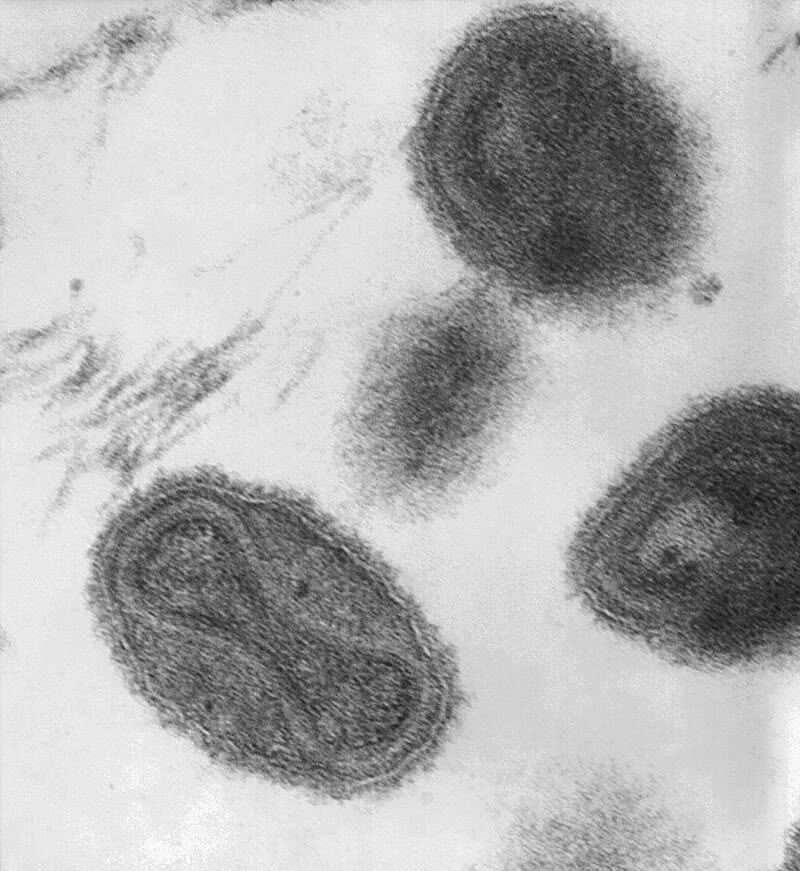
Smallpox was the scourge of mankind for millennia. It has been detected in Egyptian mummies. It killed kings and paupers, alike. Native Americans, who had no natural immunity to the virus, were decimated by it for four centuries after contact with Europeans. Characterized by the presence of hundreds of tiny blisters, smallpox was very contagious and could be spread by coughing and sneezing. Among European populations, roughly one of every three who contracted smallpox died from it.
In addition to the high mortality rate of the disease, smallpox often left its mark on survivors in the form of disfiguring scars and high rates of blindness.
Early efforts to combat the disease lead to the creation of the world’s first vaccine. Edward Jenner discovered that survivors of the less-lethal cowpox did not become infected with smallpox. In 1796, he performed an experiment in which he infected an eight-year-old boy with cowpox and then attempted to infect him with smallpox. The boy never caught smallpox, despite being intentionally exposed to it on several more occasions throughout his life.
Because he exposed his patients to cowpox, Jenner called his process “vaccination” after the Latin word “vaccinus,” which means “cow.”
Before there were hospitals in every county, one of the most common means of controlling the virus in the nineteenth century was by quarantining sufferers in dedicated recovery homes called “pest houses.”
A month after the ‘Citizen’ reported the rise of smallpox cases among the German Catholics of southern Lawrence County, an article in the Columbia ‘Herald’ related the use of the pest house in Maury County. It said, “Two [smallpox] deaths have occurred–one on Bear Creek last week and one in Macedonia, who refused to be carried to the pest-house, and perhaps did not receive the careful nursing from his immediate friends that he would have enjoyed at the city quarantine. Of the three now in the pest-house, one is convalescent and the other two doing well…our readers shall be kept advised of the progress or abatement of the disease. In the meantime, we suggest upon the part of all the prudent precaution of an early vaccination.”
In 1959, after the Pan American Health Organization successfully eradicated smallpox from most of the western hemisphere, the World Health Organization began a campaign to eradicate smallpox from the planet. Using a strategy known as “ring vaccination,” the WHO mobilized an army of medical personnel and volunteers to administer the smallpox vaccine wherever the virus broke out around the world. The last naturally-occurring case of the disease was detected in 1977.
On May 8, 1980, the WHO announced that smallpox had officially been eradicated from the planet.


 Lawrence County History Trivia
Pingback: Bringing Local History to the Classroom | Lawrence County History Trivia